
Here is how Ticketmaster presale works, in short: a presale is a selling window before the general onsale, access comes from a code or from belonging to a group (fan club member, card holder, registered fan), and getting in buys you nothing on its own. Ticketmaster’s help center states that tickets are available on a first-come, first-served basis and aren’t guaranteed. That sentence is the whole game.
Three things bring people here. Codes come from the artist’s mailing list, a fan club account, a card issuer, the venue, or the platform itself, never from a “code site.” The queue randomizes everyone sitting in the waiting room before the clock hits zero, which is why refreshing does nothing; waiting rooms typically open 15 to 30 minutes ahead of the sale start time. And orders get canceled over the ticket limit, which the Standard Purchase Policy applies per account, with an account meant to belong to a unique individual. Ways around that limit are not covered here, because there are none that survive the rules.
How Ticketmaster Presale Works Compared With General Onsale
General onsale opens inventory to anyone with a Ticketmaster account, no code required. A presale is a gated window before it, and one event usually has several stacked over a few days: artist first, then fan club or registration presale, then card and partner windows, then venue and promoter allocations, then the public sale.
Not all seats go on sale at once. Holds typically cover the guest list, production, and sponsors, and some of that inventory is released later, sometimes on the show day. So “sold out” minutes after a sale opens and tickets reappearing weeks later are both normal.
For a tour with multiple dates, each date is its own sale: its own window, code requirement, queue, and limit. Being tenth in line for Thursday tells you nothing about Friday.
Who Gets Presale Access
The types below are the standard set, but which ones run for a show, and which partners take part, differs by country and by tour. The event page for your date is the only place that lists the waves that actually apply to it.
Size is the other thing that varies. Ticketmaster is not equally dominant everywhere: in Mexico it controls more than 70% of the market, so for most events it is effectively the only door, while in Brazil it has operated since 2023 but Sympla leads the market and plenty of tours never touch Ticketmaster at all. Check who is actually selling the show before you build a presale plan around one platform.
Artist Presale
Run by the artist’s team. Registration for that specific tour is usually required, and it closes days before the sale.
Fan Club Presale
Tied to a membership that often has to be active for a set period, so joining the night before rarely counts.
Venue Presale
The building’s own allocation, announced through its mailing list or social accounts. Missed by anyone following only the artist.
Promoter Presale
Promoters like Live Nation run presales for shows they produce, usually through a promoter account rather than a mailed code.
Sponsor and Credit Card Presale
Access comes from the card issuer or sponsor, and the card used at checkout has to match the one that granted it. Which issuers and sponsors hold a window changes from tour to tour, so read the names off the event announcement rather than from a list you saved last season.
Platform and Partner Presales
Ticketmaster and its partners run their own windows, with access sometimes delivered inside another service you already use. Which of those exist in your country is announced together with the on-sale, and nowhere earlier.
Where Presale Codes Come From and How to Use One
Legitimate sources are short to list: the artist’s newsletter, a fan club account, your card issuer, a venue or promoter announcement, and Ticketmaster’s own email. Its help article on where to get a code names the same set.
Codes come in two shapes. A unique code is issued to you, tied to your account, and works once. A generic code is the same string for a whole group, so it spreads fast and opens a queue rather than a ticket. You enter it on the event page while shopping for tickets, in the field marked for a presale or offer code; if no such field is shown, you are looking at a sale that does not take one.
Why Your Presale Code Doesn’t Work
The usual causes cover nearly everything: expired, issued for another date or city, already redeemed, card not matching the issuer that granted access, or the wrong account signed in. Check the account first. It’s the one people skip.
Codes From Third Parties
Codes sold by strangers, and the sites that scrape them, fail twice over. The code usually doesn’t work, and if it does, a purchase made through access you weren’t entitled to gets canceled.
How the Ticketmaster Queue Works
Everyone who loads the event page before the sale lands in a waiting room, where position is not first-come. Waiting rooms typically open 15 to 30 minutes ahead of time, and being inside before the countdown ends is the whole point: if you join the queue even one minute after the sale starts, you’ll be at the back of the line. At zero on the countdown, everyone present is placed into the queue in an order Ticketmaster does not publish. The page tells you when it’s your turn, and the seat map opens with a hold timer on your cart.
Refreshing does not improve your position. Ticketmaster’s queue help article is direct: use only one device and one browser to shop. Running the same sale in several tabs, browsers, or on a phone and a laptop at once is how people get dropped, since it reads as one shopper holding several places. Separate dates are the exception, being separate sales. Once you reach the cart, a countdown on screen tells you how long the seats are held, and it is short enough that payment details need to be saved in advance.
Ticket Limits and Why Orders Get Canceled
Every event has a ticket limit, published on the event page under More Info, and it is not always “per person” in the simple sense. Ticketmaster’s Standard Purchase Policy sets it out in section 7, “Number of Tickets or ‘Ticket Limits'” (effective August 12, 2025). The limit attaches to an account tied to a unique individual, and cancellation reaches orders “associated with the same name, e-mail address, billing address, credit card number, or other information.” Billing address does much of the work people attribute to a household rule, but the policy never uses that word.
Orders get linked by the details attached to them: name, email address, billing address, credit card number, or other information. When linked orders exceed the limit, the policy allows Ticketmaster to cancel them without notice, and note the wording on money back: tickets canceled for violating the posted ticket limit “may be refunded at face value (excluding fees).” That is permission, not a promise. In serious cases the account is closed and future purchases blocked.
“What if I Just Make Several Accounts?” The Honest Answer
No. Three reasons, none of them soft.
The Purchase Policy prohibits it by name. Multiple accounts, emails, payment methods, addresses, or false information used to get past a limit is a stated violation, with cancellation and account termination as the consequences.
The ground also moved. The FTC sued Live Nation and Ticketmaster on September 18, 2025, joined by seven states: Virginia, Utah, Florida, Tennessee, Nebraska, Illinois, and Colorado. In a letter to US senators dated October 17, 2025, Live Nation’s Dan Wall set out a one-user-one-account rule; the letter was reported on October 20 by Forbes and Billboard. Older advice calling multiple accounts tolerated is out of date.
And automating the queue is a legal question, not only a policy one. Bots and automated ticket buying are restricted by statute in several jurisdictions, and how far each of those statutes reaches is a question for a lawyer in that market rather than something to infer from a ticketing guide.
What Actually Improves Your Odds, Within the Rules
Preparation is the only real lever, and most of it happens days ahead. Subscribe to the artist’s and venue’s mailing lists as soon as a tour is rumored, since registration windows close early. Work out which wave you qualify for and which code it needs. Verify your account and save a payment method and address, because the cart timer is short. Tickets also get released later, including production holds near the show date, and resale, where it is offered at all, runs through whatever channel the event itself designates.
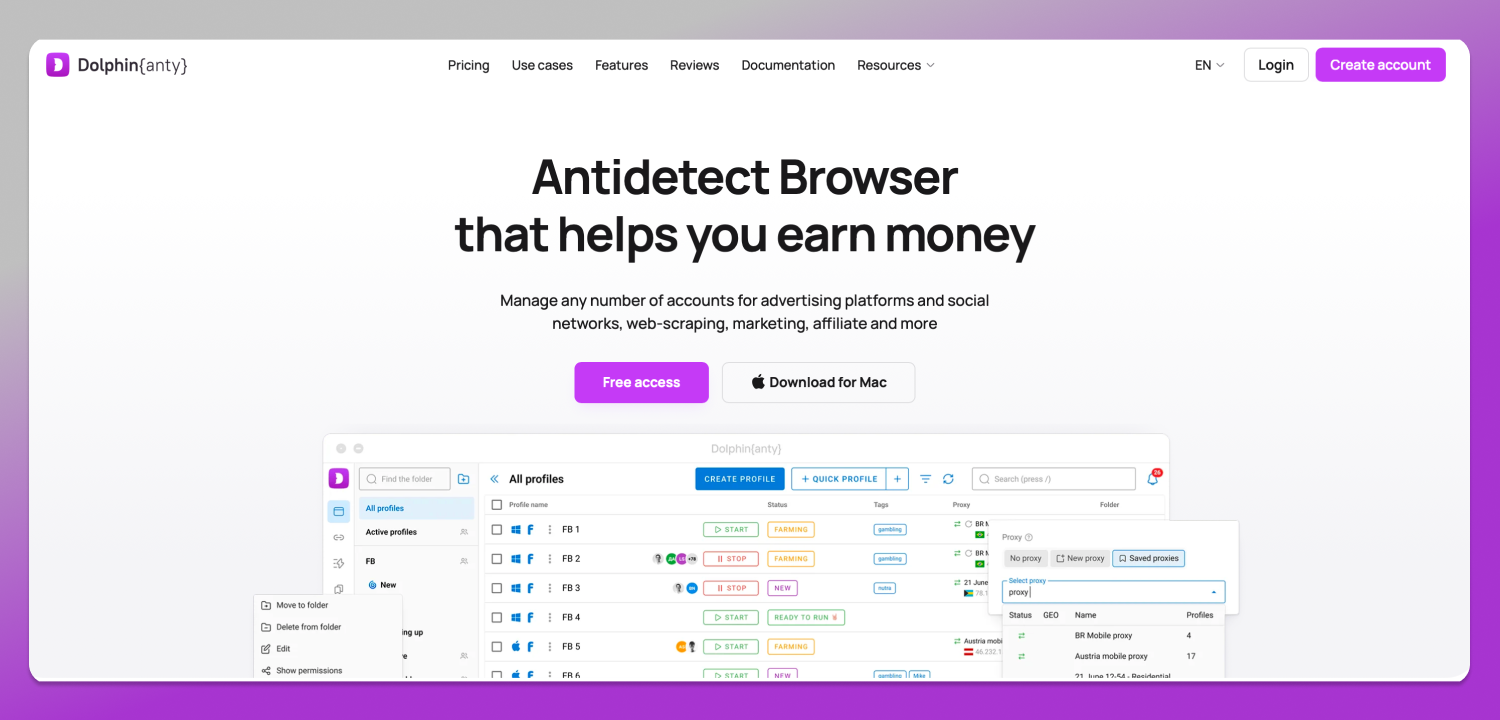
A note for a different audience: this is not about buying tickets. Teams running an event’s official and ad accounts have a session-isolation problem, with several people touching the same business accounts from different machines and staff needing access without passwords being passed around. That’s the case 🔥 Dolphin Anty is built for: browser profiles that keep each work session separate, and team access granted by permissions. It’s a desktop tool for Windows, macOS, and Linux, with plan details on the Dolphin Anty pricing page.
How Not to Get Scammed
Presale season is scam season. The patterns repeat: fake codes sold on social media, “presale access” offered for a fee, cloned checkout pages, and sellers asking for a bank transfer or payment app instead of a card through the official gateway.
Two checks catch most of it. Confirm the official domain before entering anything, and refuse any payment method with no chargeback path. Secondary market rules also differ by country: what may be resold, by whom and at what price is set locally, and it is worth knowing the rule where the show takes place before you buy from anyone but the box office.
Frequently Asked Questions
Does a Presale Code Guarantee a Ticket?
No. A code gets you into a sale, nothing more. Ticketmaster’s help center states tickets are first-come, first-served and not guaranteed.
Why Was My Ticketmaster Order Canceled?
Usually because the order, alone or combined with orders linked to your name, email, payment method, or address, exceeded the ticket limit. Suspected automation is the other reason.
Can I Buy Using a Relative’s Account?
That is not a workaround for a limit: the policy reaches orders “associated with the same name, e-mail address, billing address, credit card number, or other information,” whoever placed them. If the tickets are for you, buy on your own account.
What Do I Do if I Got Kicked Out of the Queue?
Return to the event page and rejoin rather than reloading. Drops usually come from multiple tabs, devices, or browsers on the same sale.
Does a VPN or Changing My IP Help?
No. Queue position doesn’t move, and Ticketmaster does not publish what triggers an order review, so no VPN configuration can be relied on to avoid one.
How Does Presale Work for Multiple Dates?
Each date runs as an independent sale with its own access, code, queue, and limit. Register separately for each one.
Can I Skip the Queue?
No. There is no legitimate mechanism to bypass or shorten it.
Are Presale Tickets Cheaper or Better Seats?
Not by rule. A presale gives earlier access to whatever is on sale at that moment, at face value plus fees. Nothing in Ticketmaster’s material promises better seats or a lower price.
Find out which presale wave you can qualify for, and register before that window closes. That step decides more than anything you do on sale morning.